





What is a Buddy Bench? Explained
A buddy bench is a specially designated bench in schools and playgrounds where children can sit when they feel lonely or need a friend.
When a child sits on the buddy bench, it signals to other students that they're looking for someone to play with or talk to.
This simple piece of outdoor furniture has become a powerful tool for building kindness, reducing social isolation, and creating more inclusive school communities.
Key Points
-
A buddy bench is a designated seating area where children signal they need a friend or playmate
-
These benches help reduce bullying, loneliness, and social isolation in schools
-
Buddy benches teach children empathy, kindness, and how to look out for one another
-
They're typically brightly colored and clearly labeled to stand out in playground areas
-
Schools can customize buddy benches with specific messages or their school colors

Where Did Buddy Benches Come From?
The buddy bench concept started in 2013 when a Pennsylvania student named Christian Bucks learned about a similar program in Germany. He introduced the idea to his elementary school as a way to help students make friends during recess. The concept quickly spread across the United States and beyond.
Schools embraced buddy benches because they addressed a real problem. Many children struggle with social anxiety or feel left out during unstructured playtime. The buddy bench gives these students a concrete way to ask for help without having to approach groups directly, which can feel intimidating.
Today, thousands of schools have installed buddy benches as part of their efforts to create more caring, inclusive environments. The benches have proven effective not just for the children who sit on them, but for the entire school community.
How Do Buddy Benches Work in Schools?
When schools introduce a buddy bench, they typically hold assemblies or classroom discussions to explain the program. Students learn that the bench is a safe spot where anyone can sit when they need companionship. Other children are taught to watch for students sitting on the buddy bench and invite them to join their activities.
The system works through positive peer interaction rather than adult intervention. Teachers and playground supervisors monitor the buddy bench to ensure students respond appropriately, but the goal is for children to take ownership of the program themselves. This builds social skills and empathy.
Many schools report that buddy benches reduce playground conflicts and bullying incidents. When children actively look out for classmates who might be struggling, the entire school culture shifts toward kindness and inclusion. Parents often notice their children becoming more aware of others' feelings and more willing to reach out to classmates who seem lonely.
What Features Make an Effective Buddy Bench?
The most effective buddy benches share several key characteristics:
-
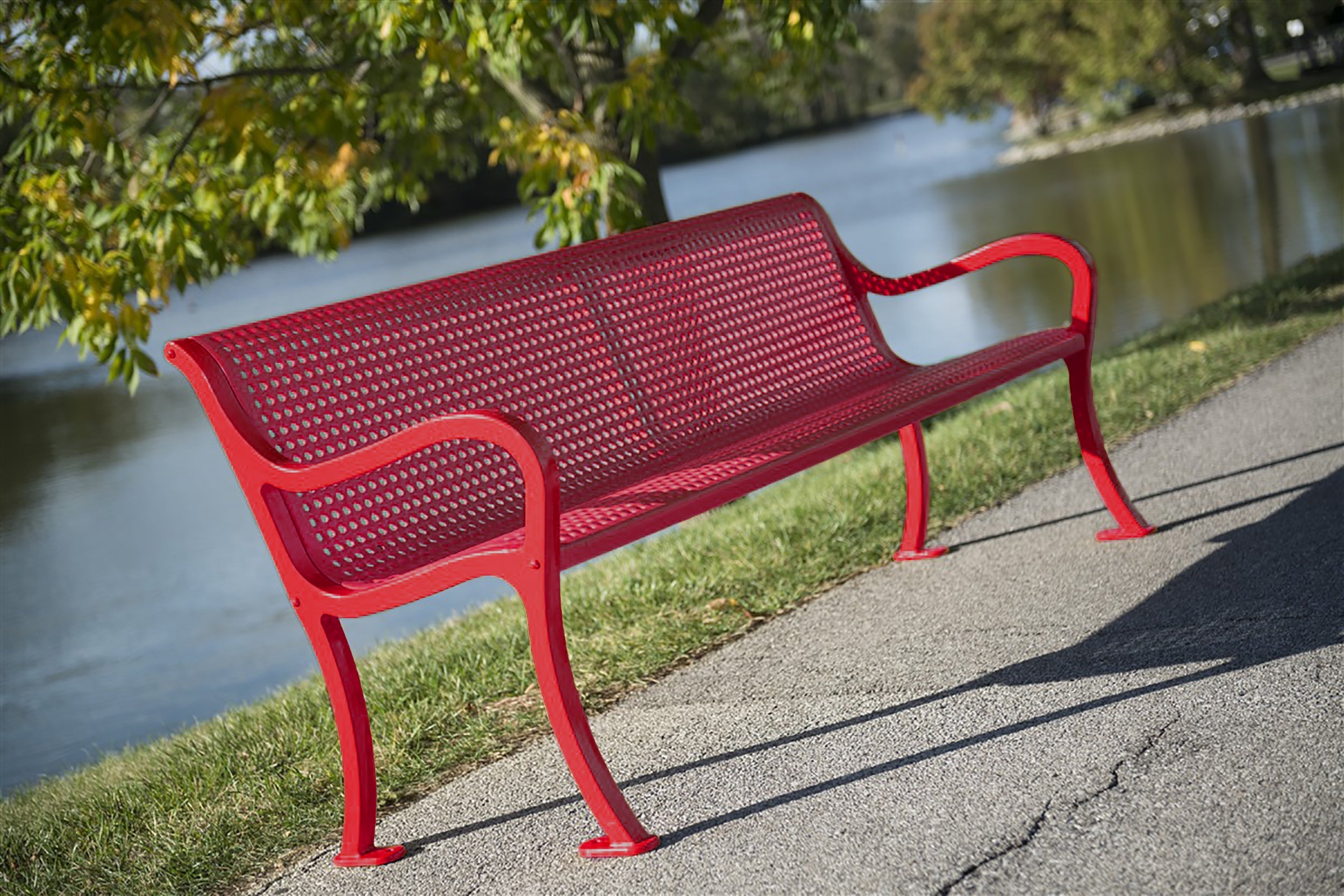
Bright, welcoming colors that stand out in the playground and feel inviting
-
Clear labeling with "Buddy Bench" text or symbols that children can easily identify
-
Durable construction from weather-resistant materials like plastisol-coated steel or recycled plastic
-
Comfortable seating that accommodates multiple children at once
-
Appropriate height for elementary-aged students to sit and get up easily
Commercial outdoor benches designed for schools need to withstand constant use and all weather conditions. The bench should be positioned in a visible location where both students and supervisors can easily see it. Some schools place their buddy bench near the main playground area, while others prefer a quieter spot for more peaceful interactions.
Many schools choose to customize their buddy benches with their mascot, school colors, or motivational messages. This customization helps students feel ownership of the program and reinforces that the buddy bench is a special part of their school community. For more ideas on creating inclusive outdoor spaces, check out our guide to designing outdoor learning environments.
What Benefits Do Buddy Benches Provide?

Buddy benches deliver measurable social and emotional benefits for students. Research shows that schools with buddy bench programs see improvements in several areas:
Reduced Social Isolation
Children who struggle to make friends or feel anxious in social situations have a clear, stigma-free way to seek companionship. The bench removes the pressure of directly asking to join a game or conversation.
Increased Empathy
When students actively look for classmates who need support, they develop stronger awareness of others' emotions. This skill extends beyond the playground into classroom interactions and home life.
Improved School Climate
Buddy benches create a culture where kindness is visible and celebrated. Schools report fewer incidents of exclusion and bullying when children know they have a support system in place.
Better Conflict Resolution
Students learn to navigate social situations independently rather than always relying on adult intervention. This builds confidence and problem-solving skills.
The program also benefits students who do the inviting. Children gain leadership skills and experience the positive feelings that come from helping others. Many schools incorporate buddy bench stories into their character education programs, reinforcing the values the bench represents.
Schools looking to expand their inclusive outdoor furniture options might consider promoting student well-being through ergonomic and comfortable outdoor seating throughout their campus.
How to Successfully Implement a Buddy Bench Program
Starting a buddy bench program requires more than just placing a bench in your playground. Follow these steps for successful implementation:
-
Get buy-in from staff, students, and parents through presentations and information packets
-
Choose a high-visibility location where supervisors can monitor interactions
-
Hold school-wide assemblies to explain how the buddy bench works and why it matters
-
Practice scenarios in classrooms so children understand appropriate responses
-
Recognize students who demonstrate kindness at the buddy bench
-
Review and refresh the program regularly to maintain enthusiasm
Schools should set clear expectations about how quickly students should respond when someone sits on the buddy bench. Some schools implement a "buddy patrol" system where designated students specifically watch for classmates who need friends. Others rely on organic peer awareness.
It's important to address potential misuse early. Some children may sit on the buddy bench simply because they like the special attention rather than because they genuinely need support. Teachers can address this through individual conversations that reinforce the bench's true purpose. Similarly, schools should watch for situations where the same child frequently sits on the buddy bench, which might indicate a need for additional social skills support.
Consider exploring tips for choosing the best school site amenities to complement your buddy bench program with other supportive outdoor features.
Find the Right Buddy Bench for Your School
Wabash Valley offers a complete selection of durable, weather-resistant buddy benches designed specifically for educational environments. Our benches feature vibrant colors that appeal to students, plastisol-coated steel construction that withstands heavy use, and customization options to match your school's identity.
Every buddy bench we manufacture is built to last through years of daily use while maintaining its appearance and structural integrity. We understand that school furniture needs to perform reliably with minimal maintenance, so we engineer our products with both durability and safety in mind.


