



Rust Resistant Patio Furniture: A Complete Guide
Rust-resistant patio furniture keeps your outdoor space looking fresh and functional for years without the headache of constant maintenance or replacement.
The right materials and protective coatings prevent corrosion from moisture, humidity, and weather exposure.
Understanding which furniture options resist rust best helps you make a smart investment that saves money over time.
Key Points
-
Aluminum, stainless steel, and plastisol-coated steel offer the best rust resistance
-
Powder coating and plastisol provide protective barriers against moisture
-
Coastal and humid climates require extra attention to rust prevention
-
Regular cleaning extends the life of rust-resistant furniture
-
Material choice impacts both durability and maintenance requirements
What Makes Patio Furniture Rust-Resistant?
Rust occurs when iron-based metals react with oxygen and moisture. Rust-resistant furniture either uses non-ferrous metals or applies protective coatings to steel frames. Aluminum naturally resists rust because it forms a protective oxide layer when exposed to air. This self-healing property makes it ideal for outdoor use without additional treatment.
Steel furniture requires protective coatings to prevent rust. Plastisol coating creates a thick plastic barrier that seals steel completely from moisture and oxygen. This coating method has proven effective in commercial settings where furniture faces constant use and weather exposure. Plastisol-coated outdoor furniture combines the strength of steel with the corrosion resistance of plastic.
Stainless steel contains chromium, which creates a passive film that prevents rust formation. While more expensive than carbon steel, stainless steel requires minimal maintenance and performs well in all climates. The higher upfront cost often pays off through extended lifespan and reduced upkeep.
Which Materials Resist Rust Best?
|
Material |
Rust Resistance |
Maintenance Level |
Climate Performance |
Typical Cost |
|
Aluminum |
Excellent |
Very Low |
All climates |
Medium |
|
Plastisol-Coated Steel |
Excellent |
Low |
All climates |
Medium |
|
Stainless Steel (304) |
Very Good |
Very Low |
Most climates |
High |
|
Stainless Steel (316) |
Excellent |
Very Low |
Coastal / Marine |
Very High |
|
Powder-Coated Steel |
Good |
Medium |
Mild to moderate |
Low |
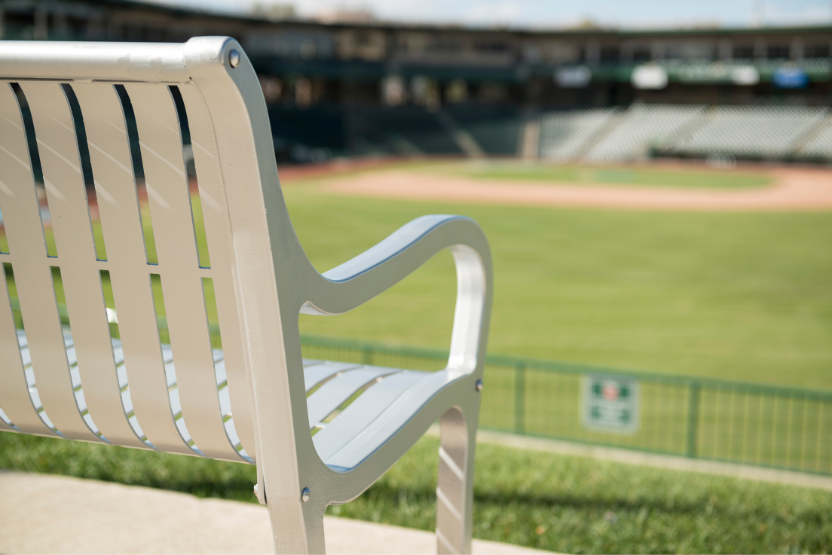
Aluminum ranks as the top choice for rust resistance in outdoor furniture. It's lightweight, requires no coating, and withstands salt air in coastal environments. The metal won't corrode even when scratched or damaged. Many commercial outdoor furniture manufacturers prefer aluminum for high-traffic areas because it maintains appearance with minimal care.
Plastisol-coated steel offers superior strength and rust protection. The coating process dips steel frames in liquid PVC, creating a seamless protective shell. This method outperforms paint or powder coating because it provides thicker, more durable coverage. The coating also adds a soft-touch finish that stays comfortable in hot weather.
Stainless steel provides excellent rust resistance but comes at a premium price. Type 304 and 316 stainless steel grades work best for outdoor furniture. The 316 grade offers better corrosion resistance, particularly in marine environments. Stainless steel maintains its polished appearance with simple cleaning and never needs recoating.
Powder-coated steel creates a hard, protective finish on metal furniture. The electrostatically applied powder melts and cures into a smooth coating. While effective, powder coating can chip or crack over time, exposing the metal beneath. Regular inspection helps catch damage early before rust starts.
How Does Climate Affect Rust Resistance?
Coastal areas demand the highest level of rust protection. Salt spray accelerates corrosion on all metal surfaces. Furniture near oceans should use aluminum or marine-grade stainless steel for best results. Plastisol-coated steel also performs well in coastal settings if the coating remains intact.
Humid climates create constant moisture exposure that promotes rust formation. High humidity levels mean metal surfaces rarely dry completely. Furniture in these regions benefits from materials like aluminum that resist moisture naturally. Covered storage during wet seasons extends the life of any metal furniture.
Arid climates pose fewer rust challenges but still require protection. Temperature swings cause metal expansion and contraction that can crack protective coatings. UV exposure degrades some finishes over time. Choosing the best material for outdoor furniture depends on your specific climate conditions.
Indoor-outdoor spaces like covered patios face less weather exposure but still need rust protection. Moisture from rain blowing in, cleaning, or high humidity can cause rust. These areas allow for more furniture material options while still requiring weather-resistant choices.
How to Maintain & Keep Patio Furniture Rust-Free
Regular cleaning removes corrosive materials before they damage protective coatings. Wipe down furniture weekly with mild soap and water. Pay special attention to joints and crevices where moisture collects. Dry furniture thoroughly after cleaning to prevent water spots and moisture buildup.
Inspect furniture seasonally for coating damage or early rust signs. Small chips in powder coating or plastisol need immediate repair to prevent rust spread. Touch-up paint or coating repair kits fix minor damage. Catching problems early saves furniture from extensive rust damage that requires replacement.
Apply protective wax or sealant annually to powder-coated surfaces. This extra layer provides additional moisture barrier and UV protection. Wax also makes cleaning easier by preventing dirt and grime buildup. Skip this step on plastisol-coated furniture, which doesn't need additional protection.
Store furniture properly during off-seasons or extended non-use periods. Clean furniture thoroughly before storage and ensure it's completely dry. Outdoor furniture maintenance includes covering pieces or moving them to protected areas. Avoid plastic covers that trap moisture against the metal surface.
Should You Choose Rust-Resistant Furniture For Your Space?
Commercial spaces require the most durable rust-resistant options. Restaurants, hotels, and public parks need furniture that withstands constant use and weather exposure. Commercial patio furniture typically uses plastisol-coated steel or aluminum for reliability. The investment in quality materials reduces replacement costs and maintenance time.
Residential patios benefit from rust-resistant furniture that requires less upkeep. Homeowners who want low-maintenance outdoor spaces should prioritize aluminum or stainless steel. These materials let you enjoy your patio without constant worry about rust or deterioration. The higher initial cost balances out through years of trouble-free use.
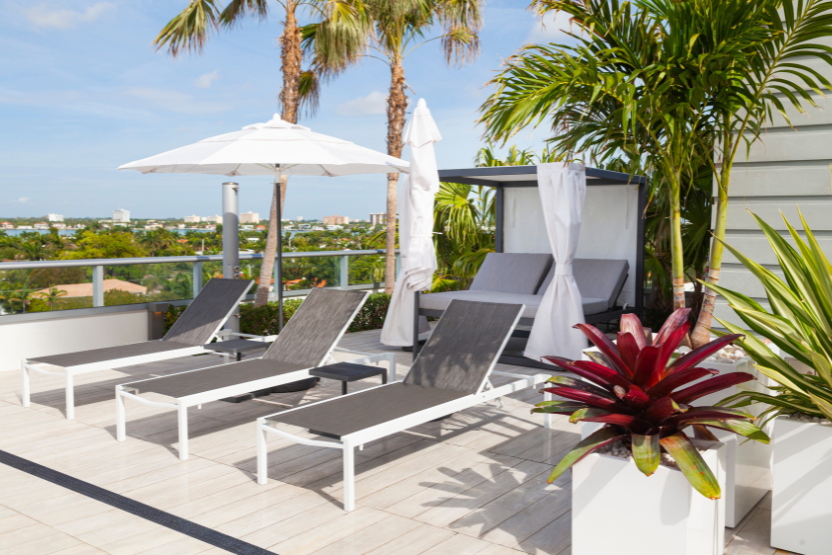
Pool areas demand extra attention to rust prevention. Chlorine and constant moisture create harsh conditions for metal furniture. Aluminum works best for poolside seating because it resists both chlorine and water damage. Plastisol-coated steel also performs well if you rinse furniture regularly to remove chlorine residue.
Budget constraints sometimes mean choosing coated steel over pure aluminum or stainless steel. Powder-coated or plastisol-coated steel offers good rust protection at lower cost. The key is investing in quality coating application and maintaining the furniture properly. Check coating thickness and warranty before purchasing to ensure adequate protection.
Where Can You Find Quality Rust-Resistant Furniture?
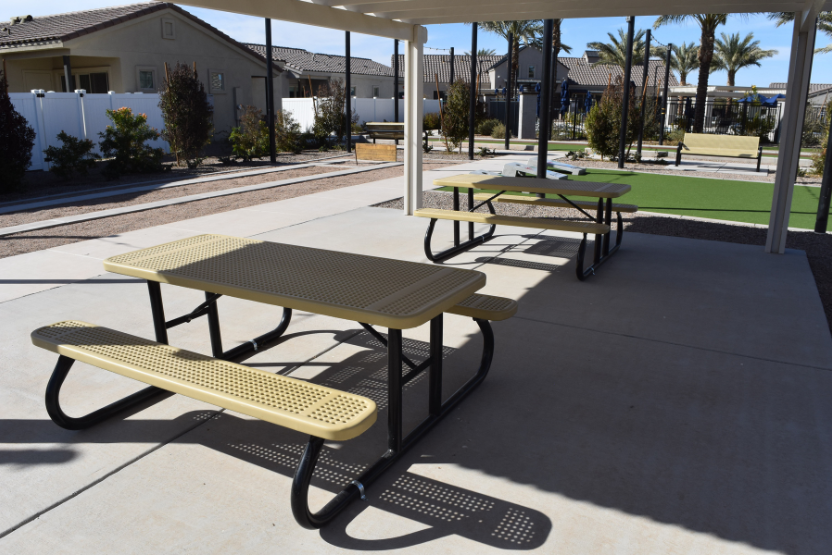
Wabash Valley specializes in commercial-grade outdoor furniture built to resist rust and weather damage. Our plastisol-coated picnic tables, park benches, and other pieces combine steel strength with superior corrosion protection. The furniture performs reliably in all climates from coastal areas to humid regions.
Each piece undergoes thorough coating application to ensure complete coverage and protection. We test our furniture in real-world conditions to verify rust resistance and durability. The plastisol coating provides both function and comfort with its soft-touch finish. Choose from various colors and styles to match your outdoor space design.
Our aluminum furniture options offer lightweight, maintenance-free alternatives for areas requiring maximum corrosion resistance. These pieces work perfectly in marine environments or high-humidity locations. The aluminum construction means furniture stays rust-free even with minimal care.
Contact our team to discuss which rust-resistant options suit your specific needs and environment. We help you select furniture that provides the best combination of durability, maintenance requirements, and budget considerations. Our experience with commercial installations ensures you get reliable, long-lasting outdoor furniture.


