



Commercial-Grade vs. Residential-Grade Furniture
Choosing outdoor furniture for your business requires understanding the key differences between commercial-grade and residential-grade options.
Commercial-grade furniture is specifically engineered to withstand heavy use, extreme weather, and minimal maintenance in high-traffic environments. While residential furniture may look appealing and cost less initially, it won't hold up to the demands of a commercial setting.
This guide breaks down the critical differences to help you make the right investment for your space.
Key Points:
-
Commercial-grade furniture is built for heavy, continuous use in public spaces with reinforced frames and weather-resistant materials
-
Residential-grade furniture prioritizes aesthetics and comfort for lighter, occasional home use
-
Commercial furniture costs more upfront but offers lower lifecycle costs due to superior durability
-
Choose commercial-grade for restaurants, parks, pools, and schools where durability is essential

What Defines Commercial-Grade Outdoor Furniture?
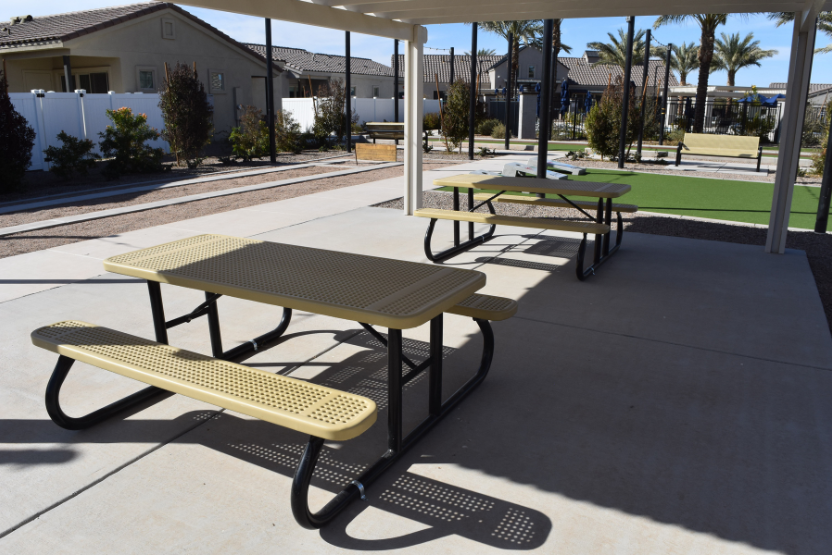
Commercial-grade outdoor furniture is built to endure constant use in public and business environments. It features reinforced frames, thicker materials, and industrial-grade hardware designed to handle daily wear and tear. These pieces are tested to meet strict durability standards that far exceed residential requirements.
The construction methods used in commercial furniture include welded joints instead of screws, heavy-gauge steel or aluminum frames, and impact-resistant surfaces. Manufacturers design these pieces knowing they'll face abuse from multiple users, harsh weather, and limited maintenance. This level of durability comes from years of engineering specifically for commercial applications.
Materials like plastisol-coated steel, powder-coated aluminum, and high-density polyethylene dominate commercial furniture because they resist rust, fading, and cracking better than standard materials. To learn more about material choices, check out our guide on how to choose the best material for outdoor furniture.
How Does Residential-Grade Furniture Differ?
Residential-grade furniture is designed for home use where aesthetics and comfort take priority over extreme durability. These pieces typically feature lighter frames, decorative elements, and materials that look great but aren't built for constant public use. They work perfectly for backyard patios where a single family uses them occasionally.
The construction relies on cost-effective methods like screws and bolts rather than welding. Frame materials are often thinner aluminum or lightweight steel that reduces shipping costs but also reduces strength. Cushions, fabrics, and finishes are selected for visual appeal without the same level of UV and moisture resistance found in commercial products.
Residential furniture requires more maintenance and protection from the elements. You'll need to store cushions during rain, apply protective coatings annually, and replace worn components more frequently. While this works fine for a home patio, these maintenance demands become impractical in a commercial setting with dozens of pieces and no one dedicated to furniture care.
Key Differences That Impact Your Business
|
Feature |
Commercial-Grade Furniture |
Residential-Grade Furniture |
|
Intended Use |
Heavy, continuous public use |
Light, occasional home use |
|
Lifespan |
10–15+ years |
3–5 years (in commercial use) |
|
Construction |
Welded joints, reinforced frames |
Screws, bolts, lighter frames |
|
Weight Capacity |
300–500 lbs per seat |
150–250 lbs per seat |
|
Weather Resistance |
Year-round outdoor exposure |
Requires protection & storage |
|
Maintenance |
Minimal (soap & water) |
Regular treatments & repairs |
|
Warranty |
5–10 years |
1–2 years |
|
Lifecycle Cost |
Lower over time |
Higher due to replacements |
Durability and Lifespan
Commercial furniture lasts 10-15 years or more with minimal maintenance, while residential pieces typically need replacement after 3-5 years in a commercial environment. The reinforced construction and superior materials directly translate to longer service life. This extended lifespan means fewer replacements and lower long-term costs for your business.
Weight Capacity and Stability
Commercial-grade benchespatio tables
Weather Resistance
Maintenance Requirements
Commercial pieces need only occasional cleaning with soap and water, while residential furniture demands regular treatments, seasonal storage, and frequent repairs. For detailed care instructions, see our commercial outdoor furniture maintenance guide.
Which Grade Should You Choose for Your Space?
Choose commercial-grade furniture for these environments:
Consider commercial-grade even for small businesses. A cafe with 6 outdoor tables will replace residential furniture multiple times before commercial pieces need replacement. The initial cost difference becomes insignificant when you factor in the lifecycle value. Review our complete commercial outdoor furniture buying guide for detailed selection criteria.
What Are the Cost Differences?
|
Cost Factor |
Commercial-Grade |
Residential-Grade |
|
Initial Cost |
Higher |
Lower |
|
Replacement Cycle |
10–15 years |
3–5 years |
|
Annual Cost (Example) |
~$80/year |
~$133/year |
|
Maintenance Labor |
Minimal |
Moderate to High |
|
Warranty Coverage |
5–10 years |
1–2 years |
|
Total Cost of Ownership |
Lower long-term |
Higher long-term |
Commercial-grade outdoor furniture typically costs 2-3 times more than residential pieces initially. A commercial picnic table runs $800-1,500 compared to $300-600 for residential models. This price difference reflects the superior materials, reinforced construction, and rigorous testing that commercial furniture undergoes.
However, lifecycle cost analysis reveals commercial furniture as the better investment. A $1,200 commercial table lasting 15 years costs $80 per year, while a $400 residential table replaced every 3 years costs $133 per year. Add maintenance costs and labor for replacements, and commercial furniture saves money over time.
Budget considerations should include total cost of ownership, not just purchase price. Factor in replacement frequency, maintenance time, warranty coverage, and downtime when furniture fails. Commercial-grade pieces come with longer warranties (typically 5-10 years vs. 1-2 years) and rarely need repairs during their service life.
Shop Commercial-Grade Furniture at Wabash Valley
Understanding the difference between commercial and residential furniture helps you make informed decisions that protect your investment. Commercial-grade construction delivers the durability, safety, and long-term value your business needs in high-traffic outdoor spaces.
Wabash Valley specializes in commercial-grade outdoor furniture built to withstand years of heavy use. Browse our complete selection of commercial outdoor furniture including picnic tables, benches, and other site amenities. Contact our team for expert guidance on selecting the right pieces for your specific application.


